 Jane


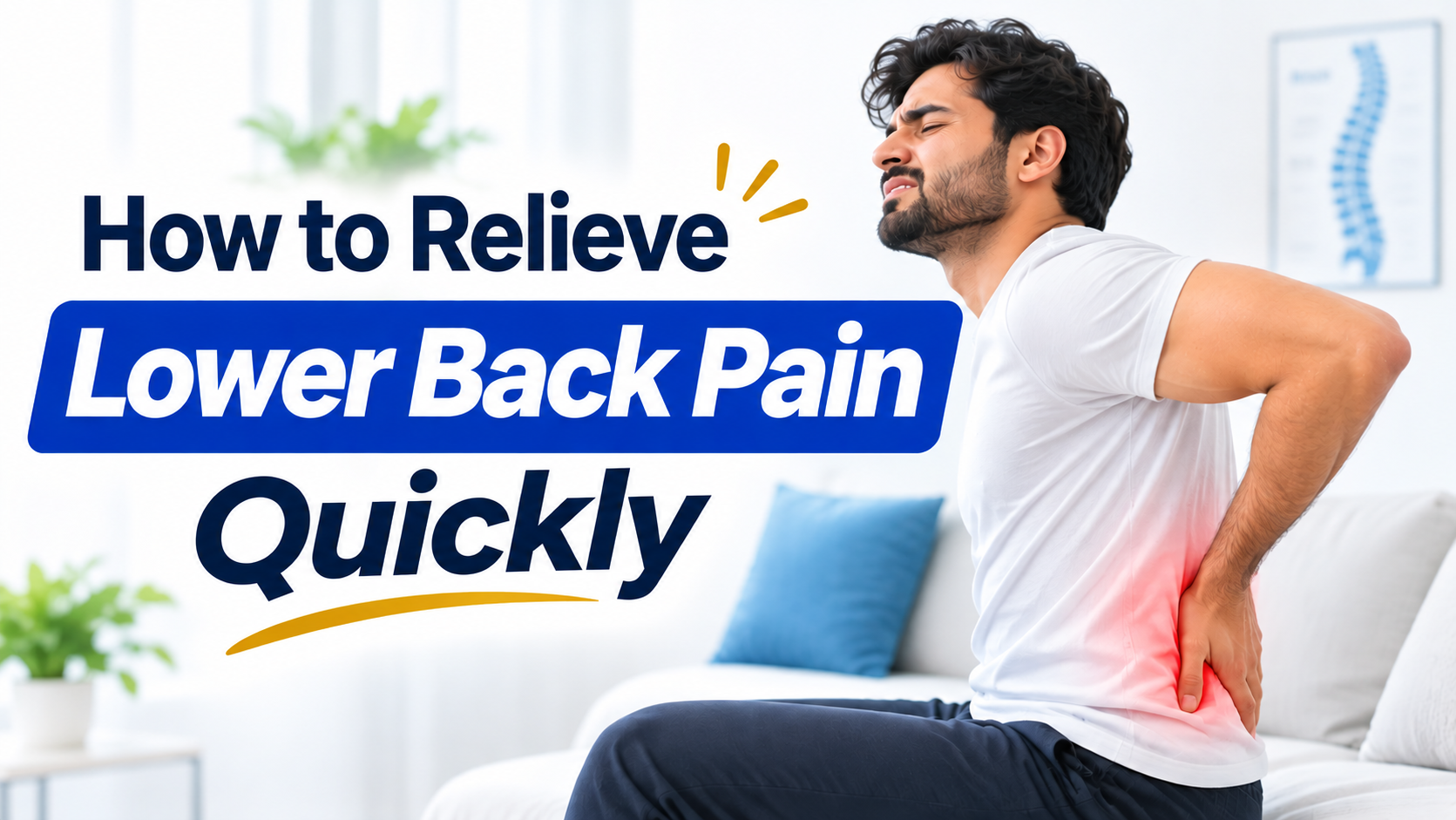
Understanding Lower Back Pain
Lower back pain is a common issue affecting many people. It can stem from various causes, including muscle strain, poor posture, or underlying conditions. Understanding the source is the first step towards effective relief.
Sudden or persistent lower back pain can impact daily activities. Identifying the contributing factors helps in choosing the right approach to manage the discomfort.
Immediate Relief Strategies
When lower back pain strikes, certain immediate actions can help reduce discomfort. These methods focus on calming the affected area and preventing further irritation.
Treatment may include:
- Gentle movement and stretching to avoid stiffness.
- Applying heat or cold packs to the affected area.
- Using over-the-counter pain relievers as directed.
- Practicing mindful breathing to reduce muscle tension.
These initial steps can provide temporary relief while you consider longer-term solutions.
Movement and Exercise for Relief
Contrary to popular belief, staying still can sometimes worsen lower back pain. Gentle movement and specific exercises can help improve circulation and reduce stiffness.
Regular, low-impact activities are key to managing and preventing future episodes of pain. Exercises that strengthen the core and improve flexibility can make a significant difference.
Recommended activities include:
- Walking for short distances.
- Gentle yoga or Pilates.
- Specific stretches recommended by a healthcare professional.
Incorporating these movements can aid in your physiotherapy plan for long-term recovery.

Posture and Ergonomics
Your daily habits, especially your posture, play a crucial role in lower back health. Poor posture while sitting, standing, or lifting can put excessive strain on your spine.
Making conscious adjustments to your posture and workspace can prevent pain from recurring. Simple changes can have a profound impact on your spinal alignment and comfort.
Tips for better posture:
- Ensure your chair provides good lumbar support.
- Keep your feet flat on the floor when sitting.
- Maintain a neutral spine position when standing.
- Lift objects using your legs, not your back.
Improving your posture is a fundamental step in how to treat back pain effectively.
When to Seek Professional Help
While self-care can alleviate mild lower back pain, persistent or severe discomfort warrants professional assessment. A healthcare provider can diagnose the underlying cause and recommend appropriate treatments.
Specialists can offer targeted therapies to address your specific condition and provide a clear path to recovery. Early intervention often leads to better outcomes and faster relief.
Professional treatment options may include:
- Manual therapy techniques.
- Targeted exercise programs.
- Modalities like heat, ice, or electrical stimulation.
- Education on pain management and prevention.
Our team at Physio2Health offers expert care for your lower back concerns. You can learn more about our approach on the about us page.
Physiotherapy for Lasting Relief
Physiotherapy is a highly effective method for treating lower back pain. It focuses on restoring function, reducing pain, and preventing future injuries through a personalized approach.
A physiotherapist can assess your condition, identify muscle imbalances, and develop a treatment plan tailored to your needs. This often involves a combination of hands-on techniques and therapeutic exercises.
Physiotherapy interventions can include:
- Manual therapy to mobilize joints and soft tissues.
- Therapeutic exercises for strengthening and flexibility.
- Postural correction and education.
- Pain management strategies.
- Guidance on return to activity.
For those in the Richmond Hill area, our dedicated physiotherapy Richmond Hill services are designed to help you achieve lasting lower back pain relief.

Book Your Assessment Today
Don't let lower back pain control your life. Taking proactive steps can lead to significant improvement and a return to your daily activities.
Our experienced team is ready to help you find the relief you need. We are committed to providing personalized care to address your unique condition.
Ready to find relief?
- Schedule your initial assessment.
- Discuss your pain with a qualified professional.
- Begin your journey to a pain-free life.
Visit our booking page to schedule your appointment.
Frequently Asked Questions
How quickly can I expect lower back pain relief?
The speed of relief varies depending on the cause and severity of your pain. Some individuals find relief within hours or days with immediate strategies, while others may require weeks of consistent treatment and rehabilitation.
What is the best position to sleep in for lower back pain?
Sleeping on your side with a pillow between your knees can help maintain spinal alignment. Sleeping on your back with a pillow under your knees can also reduce pressure on your lower back.
Can stretching help my lower back pain?
Yes, gentle stretching can be very beneficial for lower back pain. It helps to increase flexibility, reduce muscle tension, and improve blood flow to the area, which aids in recovery.
What exercises should I avoid with lower back pain?
Avoid exercises that involve twisting your spine forcefully, heavy lifting with poor form, or high-impact activities. It's best to consult with a physiotherapist to understand which exercises are safe for your specific condition.
How does physiotherapy treat back pain?
Physiotherapy uses a combination of manual therapy, therapeutic exercises, education, and modalities to address the root cause of back pain. It aims to restore function, reduce pain, and prevent recurrence.
Ready to Find Relief?
Don't let lower back pain limit your life. Our expert team is here to help you on your path to recovery.